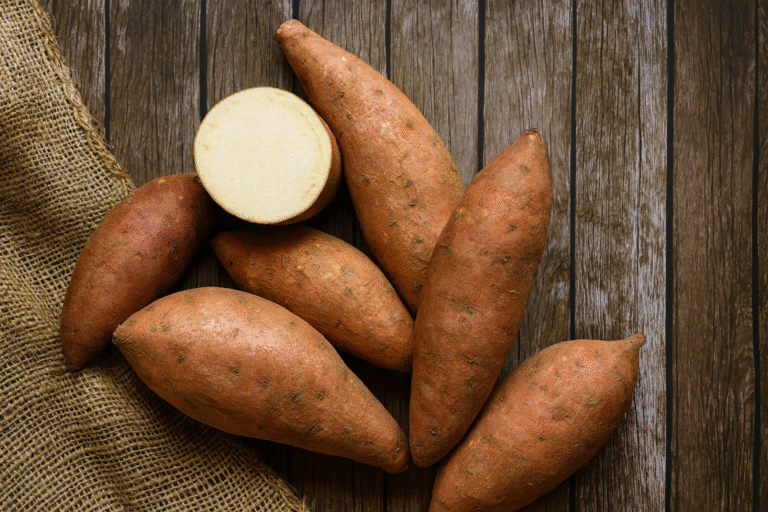
Sweet potato, also known as boniato, is one of the most versatile and nutritious tubers you can find. In recent years, it has gained popularity in healthy diets, but one big question still remains:
does sweet potato make you gain weight, or can it help with weight loss? In this article, we will clear up all doubts by explaining its calories, properties and how to make the most of it within a balanced diet.
Does sweet potato really make you gain weight?
Do sweet potatoes make you gain weight: myth or reality
There is a common belief that sweet potatoes make you gain weight, but the truth is that this tuber has a
low calorie density compared with many other foods. When eaten in appropriate portions and prepared in a healthy way, it not only does not cause weight gain, it can actually be a great ally for maintaining your weight.
How sweet potato influences body weight
Sweet potato provides slow-release energy thanks to its complex carbohydrates. This can help prevent hunger spikes and support appetite control. Also, because it is rich in fiber, it promotes satiety and reduces the likelihood of overeating.
How many calories are in sweet potato
Nutritional value of sweet potato per 100 grams
Raw sweet potato provides about
86 kcal per 100 grams. It contains approximately 20 grams of carbohydrates, 1.6 grams of protein, 0.1 grams of fat and a notable amount of fiber (around 3 grams). It is also rich in vitamin A, vitamin C and antioxidants.
Calories in sweet potato depending on how it is prepared
- Boiled sweet potato: about 80 kcal per 100 g.
- Baked or roasted sweet potato: around 90 kcal per 100 g.
- Fried sweet potato: can exceed 250 kcal per 100 g due to the oil.
- Sweet potato mash: depends on added ingredients (butter, cream, etc.).
Comparing sweet potato with other tubers
Compared with regular potatoes, sweet potatoes have a similar calorie content, but they stand out for providing more fiber and antioxidants. Compared with cassava or plantain, sweet potato is less calorie-dense and easier to digest.
Sweet potato properties for weight control
Satiating fiber and appetite regulation
The fiber in sweet potato slows digestion, which helps you feel full for longer and reduces snacking between meals.
Glycemic index and blood sugar control
Even though it contains carbohydrates, sweet potato has a
medium glycemic index, which means it releases glucose gradually and helps avoid sharp blood sugar spikes.
Vitamins and antioxidants that support metabolic health
Its high beta-carotene and vitamin A content supports eye health, while antioxidants help fight oxidative stress and support a more efficient metabolism.
Does sweet potato make you gain weight depending on how it is cooked?
Baked or roasted sweet potato: the healthiest option
Preparing sweet potato baked or roasted helps preserve its nutrients and adds very few extra calories. It is the most recommended way to include it in a balanced diet.
Fried sweet potato: when it can lead to weight gain
When fried, sweet potato absorbs a large amount of oil, which multiplies its calories and fat content. In this case, it can contribute to weight gain if eaten frequently.
Sweet potato mash or creams: tips to keep it light
Sweet potato mash can be very healthy as long as it is made with lighter ingredients. Avoid adding butter, cream or excessive oil to keep it a nutritious option.
How to include sweet potato in a balanced diet
Sweet potato in weight loss diets
Because it is filling and low in fat, sweet potato is ideal in weight loss diets. Replacing refined carbohydrates with sweet potato can help you lose weight gradually.
Sweet potato in sports diets and muscle gain plans
Sweet potato is an excellent source of energy for athletes. Eating it before or after training helps replenish glycogen and improve performance without adding empty calories.
Recommended daily portions of sweet potato
A healthy serving of sweet potato is between
100 and 200 grams, depending on your activity level and individual energy needs.
So, does sweet potato make you gain weight or not?
Sweet potato does not cause weight gain by itself. What matters is the portion size and the way it is cooked. Baked, boiled or steamed, it is a nutritious, filling food that fits perfectly into weight loss diets. Only when it is fried or combined with high-fat add-ons can it become a less healthy choice.
Frequently asked questions about sweet potato
Is it better to eat sweet potato at lunch or at dinner?
You can eat it at either meal. If you have it at dinner, keep the portion moderate and pair it with protein and vegetables.
Do sweet potatoes make you gain more weight than regular potatoes?
No. They have a similar calorie content, although sweet potatoes provide more fiber and micronutrients, which makes them a more interesting option.
Will sweet potato make you gain weight if you eat it every day?
Not necessarily. When eaten in appropriate portions and prepared in healthy ways, sweet potato can be part of your daily diet without causing weight gain.