
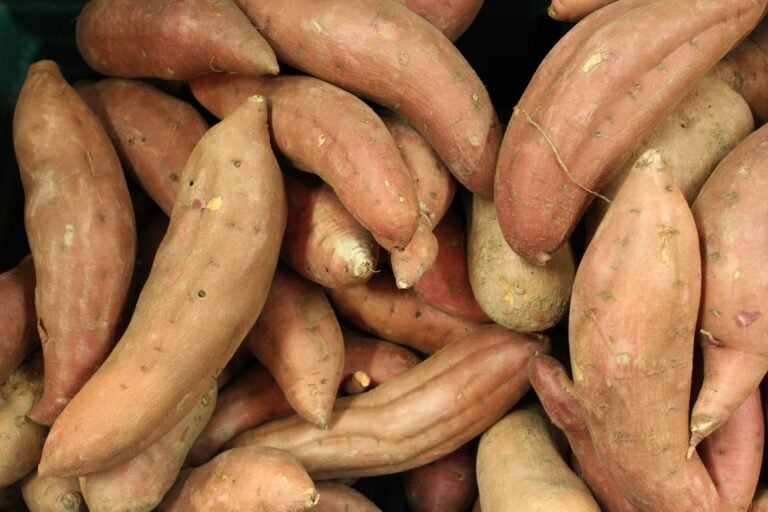
How can you tell if a sweet potato is bad?
Sweet potato, also known as boniato, is one of those foods we love to keep on hand: versatile, nutritious and naturally sweet. But like any fresh produce, it can spoil over time. And that leads to the most common question: how can you tell if a sweet potato has gone bad and is no longer safe to eat?
In this article, we share all the key signs to spot it easily, how to store sweet potatoes better and how long they can stay in good condition.
Signs that a sweet potato has gone bad
Knowing when a sweet potato is no longer good is important not only to avoid food waste, but also to protect your health. Even though it may seem like a hardy ingredient, sweet potato is a fresh tuber that deteriorates over time. These are the most common signs to watch for:Changes in the skin and outer texture
The skin is the first freshness indicator. A healthy sweet potato has smooth, firm skin with no damage. If you notice deep cracks, sunken areas, bruises or a very wrinkled look, it means it has lost quality. A slight wrinkle can be normal after a few days of storage, but if it looks very deteriorated and there are soft spots or areas that look dry and tough, it is best not to eat it.Soft, slimy texture or excessive wrinkling
To the touch, a sweet potato should feel firm. If it dents easily when pressed, feels soft or even slimy, it has started to spoil. An overly soft texture is a sign of decomposition. Also, if the skin peels off easily or you feel moisture on the surface, it is better to discard it.Unpleasant or sour smell
Smell is one of the clearest signs. A fresh sweet potato has very little aroma. When it spoils, it can develop a sour, acidic smell or even a fermented alcohol like odor. If you notice an unpleasant smell, do not hesitate: it is no longer safe to eat.Mold or black spots on the skin or inside the flesh
Mold usually shows up as white, green or black patches on the surface. Sometimes it appears in small areas, but the safest choice is to throw away the whole sweet potato, since spores may have spread inside even if you cannot see them. The same goes for deep black spots: if they are not just superficial and affect a large part of the tuber, it should not be eaten.Strange color inside (green, gray or lots of dark specks)
The flesh should keep its typical color: orange, white or purple depending on the variety. If, when you cut it open, you find greenish, gray, brown areas or too many dark specks, it is a sign of deterioration. These changes often come with a soft texture or a bad smell, confirming it is no longer suitable to eat.Sprouts or roots: can you eat it or not?
A sprouting sweet potato is not always bad. You can remove the sprouts and, if the rest of the tuber is firm, smells fine and has no concerning spots, it can still be used. However, if along with sprouts you notice it is soft, has dark areas or smells off, it is best to discard it. Sprouts are a sign it is losing freshness, so it is a good idea to use it sooner rather than later.Can you eat a slightly soft sweet potato or one with spots?
Sometimes the question is: what if the sweet potato is not perfect, but does not seem completely spoiled either?When it is still safe
- A slightly soft sweet potato or one with small surface spots can still be used if you cut away the affected part.
- As long as it smells fine and the flesh looks healthy, it is generally safe to eat.
When you should throw it away
- If it is very soft or slimy.
- If it has an unpleasant smell.
- If mold or spots are widespread.
Tips to store sweet potatoes in good condition
Proper storage is the key to extending the shelf life of sweet potatoes and enjoying them at their best. Even though they look sturdy, they are quite sensitive to humidity, excessive cold or direct light. Here are a few recommendations so they last longer without losing quality:Best temperature and storage spot
Ideally, store them in a cool, dry, well ventilated place such as a pantry, a kitchen cabinet or a wooden box kept in a dark spot. The perfect temperature is between 12°C and 16°C. If you store them somewhere too warm, they will spoil faster. If there is too much humidity, mold and fungi may develop.Do not store them in the fridge and why
It may seem like a good idea, but it is not. Refrigerator temperatures change the structure of sweet potato starch, which affects flavor and texture. Over time, they can become hard inside or develop dark areas that are unappetizing. Also, cold storage can speed up deterioration once they return to room temperature.Storage once cooked or cut
- Cooked sweet potato: once baked, boiled or steamed, store it in an airtight container in the fridge. It will keep for 3 to 4 days.
- Peeled or cut raw sweet potato: without the skin, it oxidizes quickly. Wrap it in plastic wrap or store it in a sealed container in the fridge and use it within 24 to 48 hours.
- Sweet potato in mash or recipes: if you have already made mash, a stew or a cake, you can also freeze it to extend storage.
Simple home tips to make them last longer
- Keep them in a wicker basket or cardboard box so air can circulate and moisture does not build up.
- Do not stack them too tightly. Let them breathe.
- Do not store them next to fruits like bananas, apples or pears, which release ethylene and speed up ripening.
- If you buy a large batch, check it occasionally and remove any sweet potatoes that start to soften or deteriorate, since they can affect the rest.
How long do sweet potatoes last depending on their condition?
How long sweet potatoes last depends on whether they are whole, cooked or frozen, and especially on storage conditions. Here is a practical guide:Whole raw sweet potato
- In a cool, dry, well ventilated place, it can last 2 to 4 weeks in great condition.
- In colder, stable climates, it can sometimes last up to 6 weeks.
- If stored in warm conditions or with humidity, it may start to deteriorate in about 1 week.
Cooked sweet potato
- In the fridge, stored in an airtight container, it keeps for 3 to 4 days.
- If it starts releasing liquid, changes smell or becomes slimy, it is time to throw it away.
- In the freezer, cooked sweet potato, whole or in pieces, can last 10 to 12 months while keeping good quality.
Frozen sweet potato
- It is best to cook them before freezing, steamed, baked or boiled. Once cooled, store them in freezer bags or airtight containers.
- You can freeze them raw, but the texture changes after thawing and they often become softer and more watery.
- After freezing, it is best used in mashes, soups, cakes or stews, where texture is less critical.